
How to Help a Child Who Gets Frustrated While Learning
By Leslie Dykstra · Certified Early Childhood Specialist · Williamson County, TN
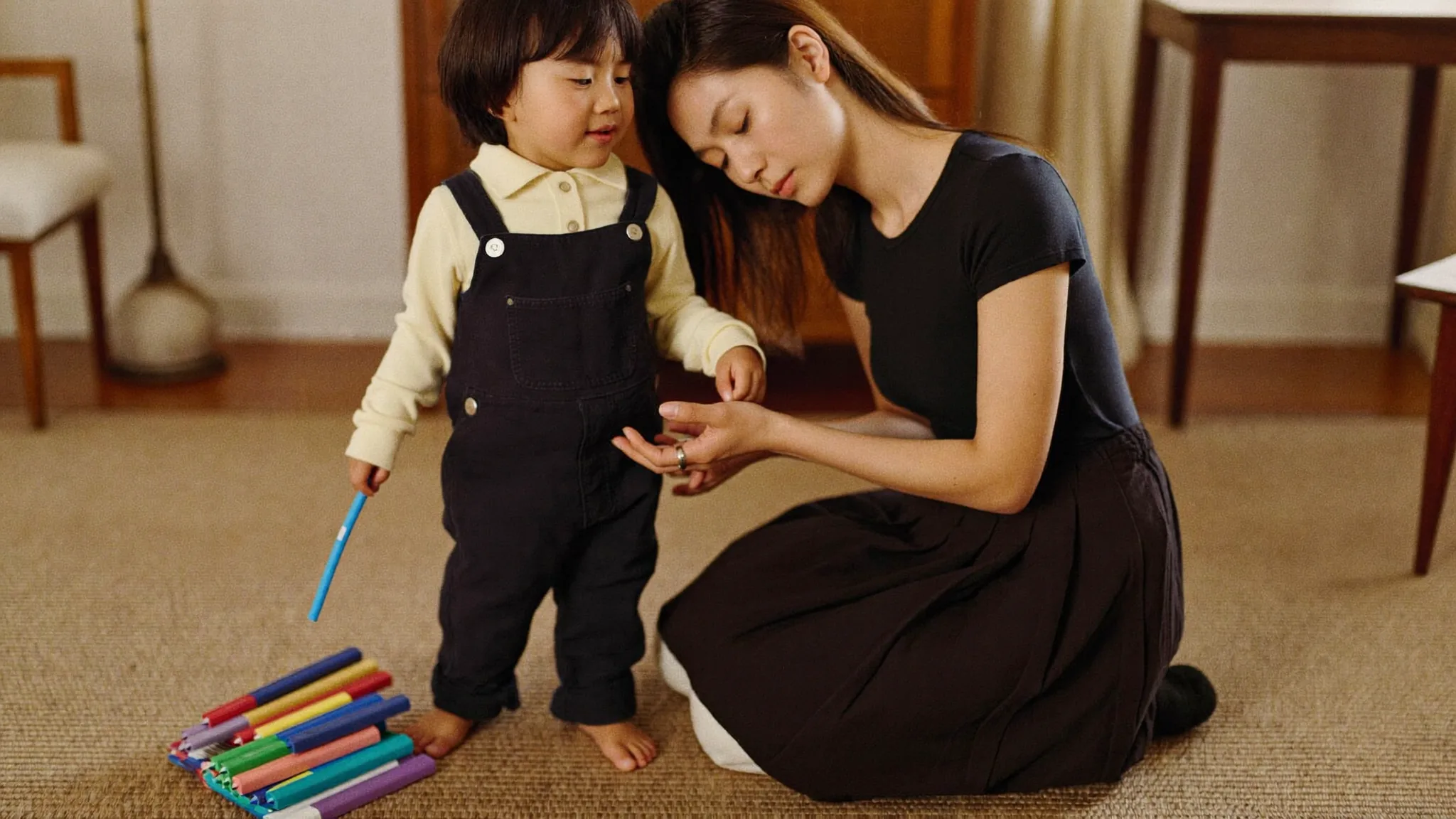
If your child has ever thrown a pencil, burst into tears over a worksheet, or slammed a book shut during reading practice, you're in very good company. Frustration during learning is one of the most common things I hear about from families I work with in Williamson County. It can feel alarming in the moment. It can also feel personal — like maybe you're doing something wrong, or your child is uniquely resistant.
You're probably not doing anything wrong. As a certified early childhood specialist, what I know is this: frustration is a signal, not a character flaw. The question is what it's telling us.
Why does a child get frustrated while learning?
Frustration almost always has a reason. Common ones:
- The task is genuinely too hard. If a skill is significantly beyond where your child is, frustration is the appropriate response. It means their brain is stretched past its current edge.
- The task feels too easy or repetitive. Children disengage when something bores them, and disengagement can look like frustration.
- They're tired or hungry. Cognitive effort takes physical fuel. A child at 4 PM after school has fewer resources than a child at 9 AM.
- They've had a hard day. Emotional stress bleeds into learning. A child who had a conflict at morning care is not starting practice with a full tank.
- They're afraid of getting it wrong. For some children, effort feels risky. Failing after trying feels worse than not trying at all.
Figuring out which of these is happening matters, because each one calls for a different response.
What is co-regulation, and why does it help?
Young children — roughly ages 3 through 7 — cannot regulate their own emotions independently. Their brain doesn't fully support that yet. What they need is a calm adult who stays calm with them, not one who escalates or withdraws.
This is called co-regulation, and it's not just a parenting theory. It's how the developing brain learns to settle itself over time. When you stay quiet and warm in the middle of a meltdown, you are literally teaching your child's nervous system what calm feels like.
Practically, this looks like:
- Stop the task. Don't push through a flooded child.
- Lower your voice, not raise it. Match where you want them to go, not where they are.
- Name it simply. "That felt really hard. Your brain is working."
- Sit nearby without demanding. Physical presence is regulating.
- Wait. Give them a few minutes to come down before returning to the work.
This is not "giving in." It's working with how the young brain actually functions.
When should I push through frustration, and when should I pause?
This is the question I get asked most. There's no perfect formula, but here's a useful frame:
Keep going when:
- The frustration is mild — some eye-rolling or sighing, but the child is still engaged.
- They've done harder versions of this before and you know they have the skill.
- The task just needs one more try.
Pause when:
- The child is crying, yelling, or shutting down completely.
- The work session has already gone long and energy is gone.
- You can feel that pushing will create a negative association with this subject.
A short break followed by returning to the task is better than grinding through a flooded session. A 10-minute walk, a snack, or a few minutes of something enjoyable can reset the whole session.
How do I make learning feel less threatening?
Some children are more prone to frustration not because they are struggling, but because they are perfectionists, or because they've attached their identity to being "good" at things. For these children, a few practices help over time:
- Model making mistakes yourself. Say out loud: "Oops, I need to try that again. That's okay."
- Celebrate the attempt, not just the outcome. "You tried three times on that word" matters more than "you got it right."
- Keep sessions short. Fifteen focused minutes beats forty frustrated ones every time.
- Read together for fun, separately from "practice." A child who associates books only with hard work will resist them.
For ideas on building positive associations with reading early on, how to read aloud to your child is a good place to start.
What if the frustration is happening with almost every subject?
If learning frustration is consistent — across reading, writing, math, and other areas — that's worth taking seriously. It may mean the work is consistently beyond where your child is, which a personalized assessment can clarify quickly.
It may also mean your child has some specific area of difficulty that hasn't been identified yet. If reading is the main source of the struggle, our post on signs your child is struggling to read walks through what to look for.
Our programs at Little Minds, Big Futures are designed around exactly this: meeting your child where they are so the work feels challenging but doable — not impossible.
Frequently asked questions
Is it okay to end a session when my child is frustrated?
Yes. Ending a session doesn't mean giving up. It means choosing the right moment, and a flooded child is not in a learning state anyway. Return to it later, when the window is better.
My child only gets frustrated with me, not with their teacher. What's happening?
This is very common. Children feel safe with their parents and let the hardest feelings out at home. It's actually a sign of a secure relationship. A tutor or specialist can sometimes bridge this gap because they have a little more emotional distance.
How long should a home learning session be for a young child?
For ages 3–4: 10–15 minutes. For ages 5–6: 15–20 minutes. For ages 7–8: up to 25–30 minutes. Less is more when the quality is high.
Would a different setting help your child?
If learning at home has become a battle, a free 15-minute consultation can help us figure out what's going on and whether 1-on-1 sessions might give your child a fresh start.
Little Minds, Big Futures — where every child's potential takes flight.