
Is My Child Ready for Kindergarten? 10 Signs to Look For
By Leslie Dykstra · Certified Early Childhood Specialist · Williamson County, TN
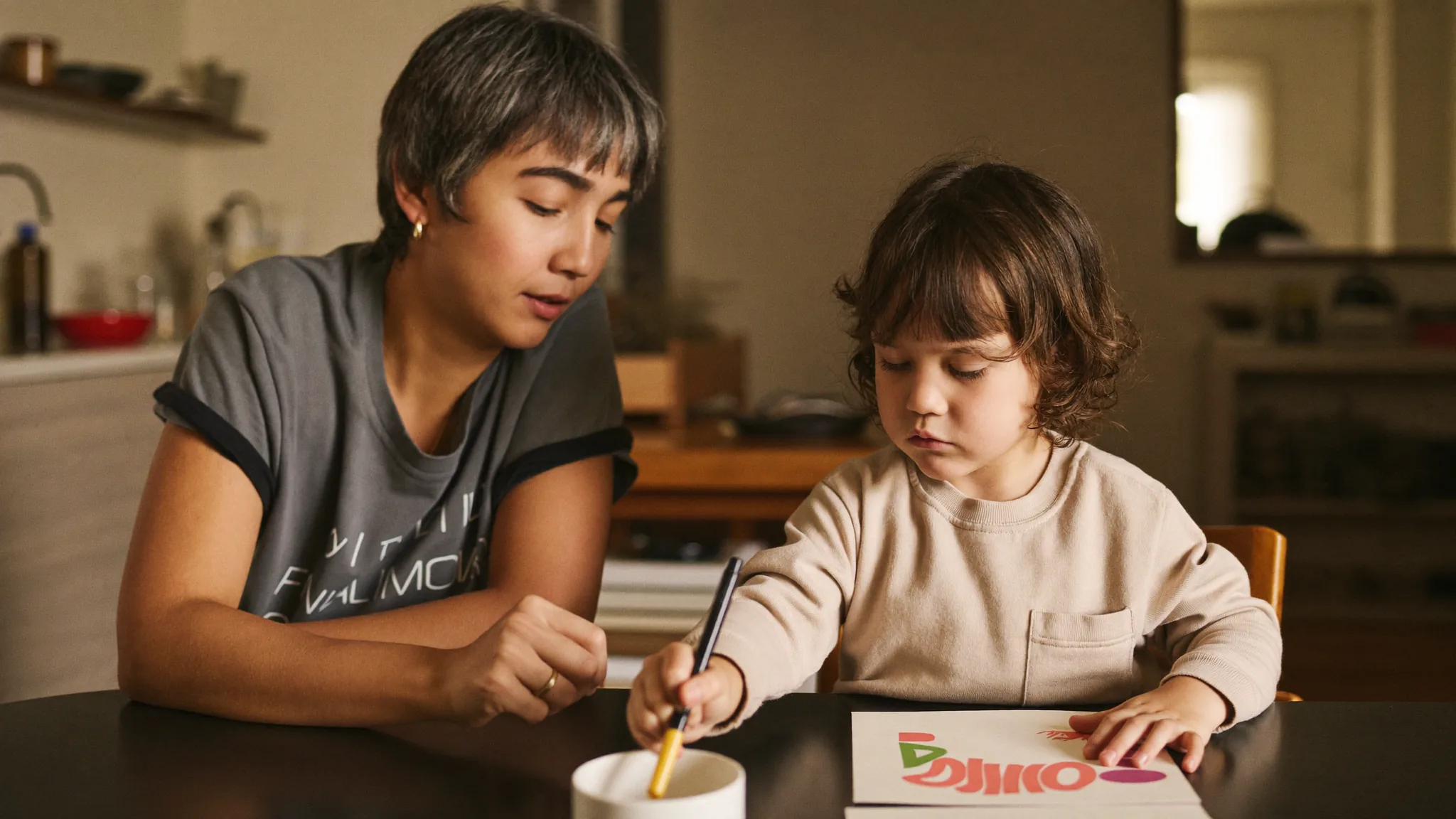
If kindergarten is coming up and you're wondering whether your child is really ready, you're asking exactly the right question. Not because something is wrong — but because you want to give them the best possible start.
I'm Leslie Dykstra, a certified early childhood specialist, and I work with families across Williamson County to help children close readiness gaps before school begins. Below are ten signs that tell me a child is well-prepared for kindergarten. You can use this as a self-check — and I've also linked the free 25-point checklist at the end if you want to go deeper.
One note before we start: this is not a diagnostic tool. If you have concerns about your child's development, a professional evaluation can give you a much more complete picture than any blog post. What this list can do is help you see where your child is strong and where a little extra support might help.
Sign 1: They can identify most letters of the alphabet
Kindergarten teachers typically expect children to recognize capital letters by name before school starts. Many children also know most lowercase letters. If your child can point to letters and name them — in books, on signs, on cereal boxes — they're on solid ground.
Sign 2: They hear the sounds words start with
This is called phonemic awareness, and it's one of the strongest early predictors of reading success. Can your child tell you that "dog" and "dish" start with the same sound? Can they think of a word that starts like "sun"? Children who can play with sounds like this are ready for the phonics instruction kindergarten will bring.
For more on the phonics sequence, the post on what order to teach phonics is a helpful resource.
Sign 3: They count a small group of objects accurately
Ask your child to count out eight blocks or grapes. Watch whether they touch each one and stop at the right number. Children who can do this — rather than just recite numbers — are showing the number understanding that kindergarten math builds on.
Sign 4: They can write their first name
Most kindergarten entry expectations include being able to write a first name with recognizable letters, even if not perfectly formed. The process of writing their name also tells you a lot about pencil grip, hand control, and letter awareness all at once.
Sign 5: They hold a pencil or crayon with their fingers, not their fist
Grip matters. A child who grips writing tools with their whole fist will tire out quickly in a classroom where handwriting happens every day. Functional pencil grip — using the thumb, index, and middle finger — is worth practicing before school starts. Play dough, threading beads, and drawing freely all help.
Sign 6: They can follow two-step directions
"Put your shoes by the door and then wash your hands." Can your child do both things without needing a reminder for the second step? This skill shows up constantly in kindergarten classrooms, and children who can follow multi-step directions move through routines without getting stuck.
Sign 7: They can separate from you without extended distress
Some nervousness on the first day is completely normal and expected. What teachers are looking for is a child who can recover and engage — not one who is inconsolable for an extended period. If school drop-off has been difficult in preschool or childcare, practicing short separations now can help — and our guide to preparing for the first day of kindergarten has more ways to make that morning go smoothly.
Sign 8: They can take turns and share in a group
Group learning is a big part of kindergarten. Children who are used to waiting for their turn, sharing materials, and listening while someone else speaks will feel more comfortable in the classroom environment from the start.
Sign 9: They can manage basic personal needs independently
Bathroom trips, getting a drink of water, putting on and taking off a coat, opening their lunch box — kindergarten children are expected to handle these things without adult help for each step. If your child still needs a lot of support with these tasks, practicing them daily between now and fall will make a real difference.
Sign 10: They show curiosity and want to learn
This one doesn't show up on most readiness checklists, but it belongs here. A child who asks questions, wants to figure things out, and engages with books, games, and conversations has the internal drive that makes everything else easier. If your child loves learning — even about small, specific things — that curiosity is a real asset.
What if my child has some gaps?
Most children have a mix. Strong in some areas, still developing in others. That's completely expected.
What matters is whether you have time to address the gaps before school begins. If kindergarten starts in weeks and you're seeing several of these signs missing, a targeted plan now can close a lot of ground quickly. If school is months away, even better. And if your child has a late birthday and you're wondering whether to wait a year instead, the post on redshirting kindergarten walks through that decision.
The free Kindergarten Readiness Checklist I put together covers 25 specific skills across all five readiness areas. Download it and go through it together with your child. You'll know in about ten minutes where to put your energy.
And if you'd like a professional set of eyes on where your child stands, I offer personalized assessments for children ages 3–8. A short session can tell you far more than a checklist can, and it takes the guesswork out of preparing.
Our programs — Jumpstart for ages 3–4, Leaping for ages 5–6, and Soaring Into Success for ages 7–8 — are all designed to build exactly the skills on this list, at the right developmental pace.
Frequently asked questions
My child has 8 of these 10. Is that enough?
There's no fixed passing score. Look at which two are missing. A gap in letter recognition is different from a gap in hand grip — the first is more academically urgent. Grab the full checklist to see the complete picture.
My child will be one of the youngest in their class. Does that matter?
Age within a kindergarten class can matter, especially for social and emotional readiness. Younger children sometimes need more time before they're truly ready. This is a conversation worth having with your child's preschool teacher and, if you'd like, with a specialist who knows early childhood development well.
What if we homeschool? Do these signs still apply?
Yes, with some adjustments. The academic skills on this list are relevant regardless of school setting. The social and independence signs may look different at home — but they still matter as your child gets older and interacts with other children in classes, activities, and community.
Ready to go deeper?
Download the free 25-Point Kindergarten Readiness Checklist and see the complete picture across all five readiness areas. Then, if you'd like to talk through what you find, book a free 15-minute conversation with Leslie. She works with families throughout Williamson County and would love to help yours.
Little Minds, Big Futures — where every child's potential takes flight.